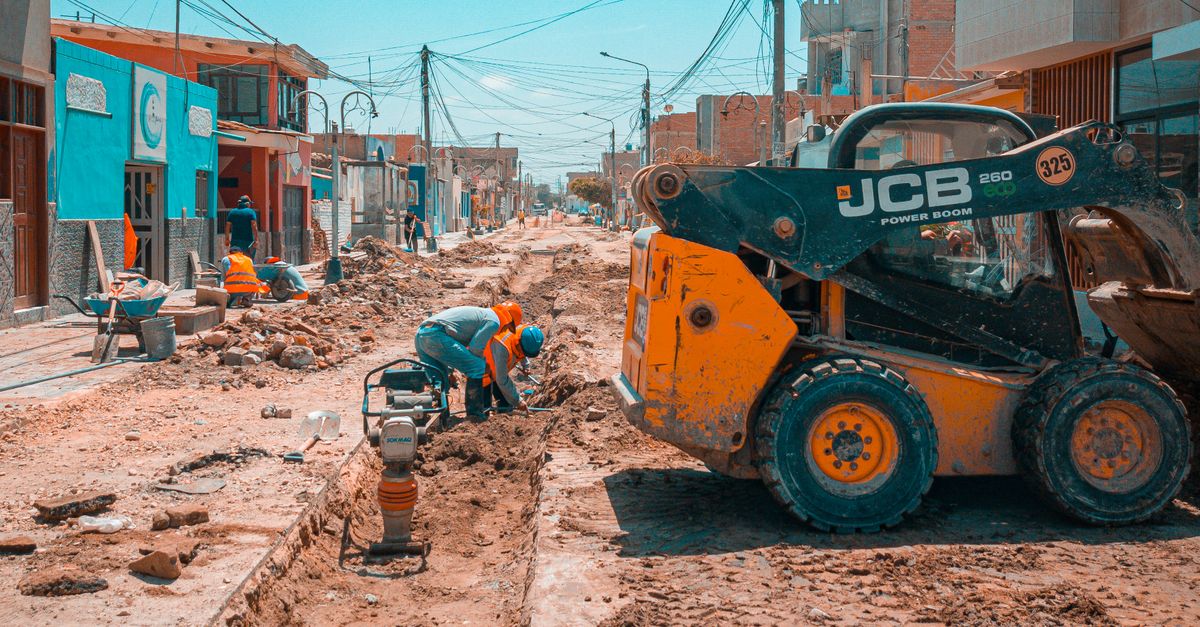
Budgeting for Educational Infrastructure Projects in Ballina
Table Of Contents
Monitoring and Controlling Budget Expenditures
Effective monitoring of budget expenditures is vital for ensuring that educational infrastructure projects remain on track. It involves tracking spending against planned budgets at various stages of the project lifecycle. Regular reviews help project managers identify deviations from the budget early, allowing for prompt corrective action. This ensures resources are allocated efficiently, and any potential overruns can be mitigated before they escalate.
Implementing robust financial controls is crucial for maintaining budget integrity. This may include establishing clear approval processes for expenditures and conducting frequent audits. By leveraging technology such as budget management software, stakeholders can gain real-time insights into financial performance. Transparent reporting mechanisms foster accountability among team members and promote adherence to the established budget framework.
Tools and Techniques for Effective Oversight
Effective oversight in budgeting requires a systematic approach to tracking expenditures and ensuring alignment with project goals. Utilising software tools that allow real-time budget monitoring can significantly enhance accountability. These platforms often feature dashboards which provide instant visibility into spending trends and budget allocations. Regular integration of financial reports also aids transparency by enabling stakeholders to see how funds are being utilised throughout the project lifecycle.
In addition to technological tools, establishing clear protocols for communication among team members is essential. Regular meetings and updates help ensure that everyone is aware of financial status and project timelines. Training staff on budget management practices can foster a culture of financial responsibility. Incorporating feedback mechanisms allows for ongoing adjustments, ensuring the project remains on track and within the allocated budget while also addressing any emerging challenges promptly.
Risk Management in Budgeting
Effective risk management within budgeting requires a proactive approach. Identifying vulnerabilities early in the planning process can help mitigate potential setbacks. Stakeholders need to engage in comprehensive analyses to uncover risks related to funding, resource allocation, and project timelines. Documenting these risks allows teams to monitor them continually and adapt strategies as necessary, ensuring that financial constraints do not derail project goals.
A robust risk management framework also emphasises the importance of contingency planning. Establishing predetermined responses for various risk scenarios prepares teams to act swiftly should issues arise. Regularly reviewing and updating the risk assessment is vital, as new challenges might emerge during the lifecycle of a project. By embedding a culture of risk awareness, stakeholders can navigate uncertainties more effectively, aligning financial resources with educational objectives.
Identifying Potential Financial Pitfalls
Educational infrastructure projects inherently come with various financial risks. Overestimating potential enrolment figures can lead to reduced funding and support. Additionally, overlooking maintenance costs often results in budget overruns later in the project lifecycle. The timing of funding disbursements may not align with project needs, causing cash flow issues that could stall progress. Stakeholder expectations can also shift, leading to the need for additional investment beyond initial projections.
Accurate assessments of project scope and affordable design options are crucial to avoid budget pitfalls. Poorly defined project goals can lead to scope creep, increasing costs and complicating timelines. Furthermore, the lack of contingency planning often results in inadequate responses to unexpected delays or price fluctuations in materials. These financial unstabilities underline the importance of thorough preliminary research and diligent ongoing oversight to mitigate risks throughout the project’s execution.
Case Studies of Successful Educational Projects
Several educational infrastructure projects in Ballina have demonstrated exemplary outcomes through strategic budgeting and planning. One notable example is the upgrade of local primary schools, which integrated modern technology and sustainable practices. The project successfully engaged the community through consultations, ensuring that the needs of students and teachers were met. By implementing innovative funding models, stakeholders managed to secure additional resources while minimising long-term operational costs.
Another commendable initiative involved the establishment of a multi-purpose high school facility, tailored to support diverse learning styles. This project highlighted the importance of collaboration between local government, educational authorities, and community organisations. Early financial assessments identified potential challenges, allowing for preemptive measures that mitigated risks. Effective monitoring throughout the project ensured that adjustments could be made as needed, leading to successful completion within the allocated budget and time frame.
Lessons Learned from Previous Initiatives
Examining past educational infrastructure projects reveals a range of successes and challenges. Effective stakeholder engagement emerged as a critical element for fostering collaboration among government, educators, and the community. Projects that prioritised transparent communication often benefited from increased support and reduced friction during implementation.
Budget forecasting techniques also played a significant role in the outcomes of these initiatives. Accurate financial projections supported better resource allocation and minimised overspending. Projects that employed regular reviews of their budget and spending patterns were more likely to adapt proactively to unforeseen expenses, thus achieving greater overall efficiency.
FAQS
What are the key components of budgeting for educational infrastructure projects in Ballina?
The key components include establishing a clear project scope, estimating costs accurately, identifying funding sources, and monitoring expenses throughout the project lifecycle to ensure financial accountability.
How can the effectiveness of budget oversight be measured?
Effectiveness can be measured through regular financial reporting, variance analysis, stakeholder feedback, and the completion of projects within the established budget and timeline.
What tools are commonly used for monitoring budget expenditures?
Common tools include budgeting software, spreadsheets, project management software, and financial dashboards that provide real-time updates on expenditure against the budget.
What are some common financial pitfalls to watch out for in educational infrastructure projects?
Common pitfalls include underestimated costs, scope creep, lack of contingency funds, and inadequate planning for ongoing maintenance and operational costs.
Can you provide examples of successful educational infrastructure projects in Ballina?
Examples may include recent school renovations or the construction of new facilities that enhanced learning environments, along with the lessons learned regarding community engagement and stakeholder collaboration.
Related Links
Enhancing Learning Environments through Architectural DesignEco-friendly Materials for Sustainable School Construction
Maximising Natural Light in Educational Building Designs
Key Considerations for Designing Multi-purpose Learning Spaces
Collaborating with Local Stakeholders for School Developments
Modern Technology Integration in New Educational Buildings
Project Management Best Practices for School Construction
The Importance of Compliance in Educational Facility Builds
Innovative Design Strategies for Educational Facilities in Ballina